X-ray of a Commercial Facial Cream: What's Really Inside?
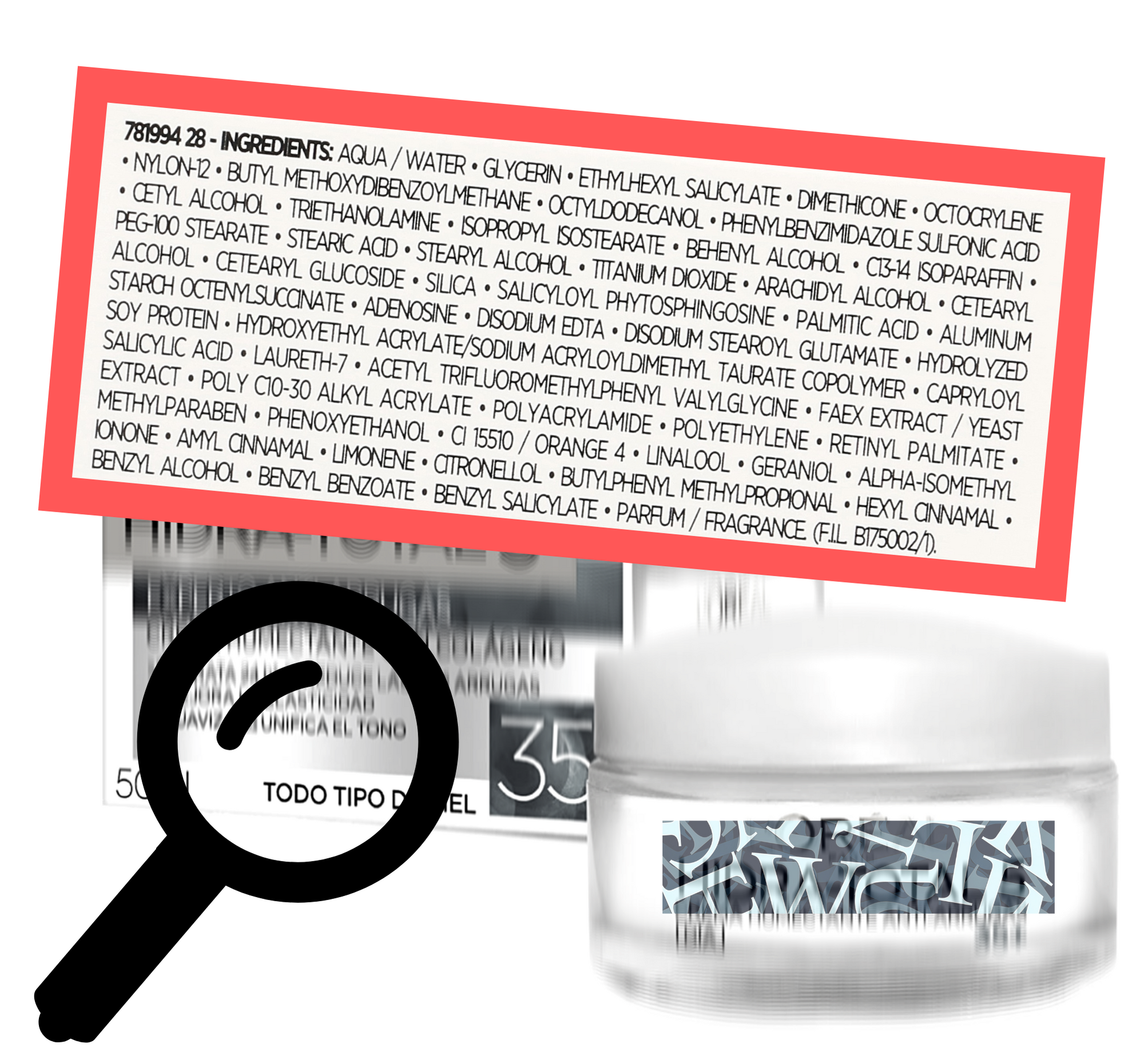
Commercial face creams are found on the shelves of most stores and pharmacies worldwide, promising to keep our skin hydrated, smooth, and blemish-free. However, when analyzing the ingredients in these products, questions arise about their impact on our health and the environment. In this article, we take a detailed look at the ingredients of a face cream from a well-known brand and discuss whether they are truly beneficial for our skin and well-being. Join us as we break down each component and understand why opting for more natural products might be the best choice.
Why is it important to know the ingredients in face creams?
The cosmetics industry is full of products that promise quick results, but we often ignore the long-term impact they can have on our health. Synthetic ingredients and petroleum derivatives, while effective in some cases, can cause side effects and contribute to environmental degradation. It is essential that consumers are aware of what they are applying to their skin, as facial care is not only about aesthetics but also about overall skin health and well-being.
Complete Ingredient Analysis
Below, we conduct a detailed analysis of each of the most common ingredients in commercial facial creams. Let's see how safe they are for the skin and what impact they have on the environment.
1. AQUA/WATER
Water is the base of most creams. It doesn't pose a danger, but it's important that the other ingredients are of good quality, as water can facilitate the absorption of harmful compounds.
2. DIMETHICONE
Dimethicone is a silicone widely used in cosmetics. It forms a surface layer on the skin that leaves it smooth, but it is not biodegradable, resulting in a significant environmental impact. Although non-toxic, its effect is superficial and does not penetrate the skin, making it a short-term ingredient that offers no long-term benefits.
3. GLYCERIN
Glycerin is a humectant that attracts moisture to the skin. However, if it is not plant-based, it may be derived from animal fats or petroleum products, which raises concerns about its ethics and sustainability.
4. C12-15 ALKYL BENZOATE
It's a synthetic fabric softener that also acts as an antimicrobial. While effective, it's synthetic and not ideal for those seeking completely natural products.
5. SHOREA ROBUSTA BUTTER
Salad butter is a plant-based ingredient rich in essential fatty acids such as oleic and stearic acids. It is an excellent choice for the skin because it is nourishing and moisturizing.
6. STEARIC ACID
This fatty acid is used as a cleansing agent, thickener, and emulsion stabilizer. Although it can be obtained from plant sources, it often comes from animal fats, which is not ideal for those seeking 100% plant-based cosmetics.
7. PALMITIC ACID
One of the most common saturated fatty acids. It is approved for use in organic cosmetics, but because it is of plant or animal origin, it may raise concerns about its sourcing and environmental impact.
8. PEG-100 STEARATE and GLYCERYL STERATE
These are synthetic polymers derived from petroleum. Although